What Type of Plays Did Shakespeare Write?
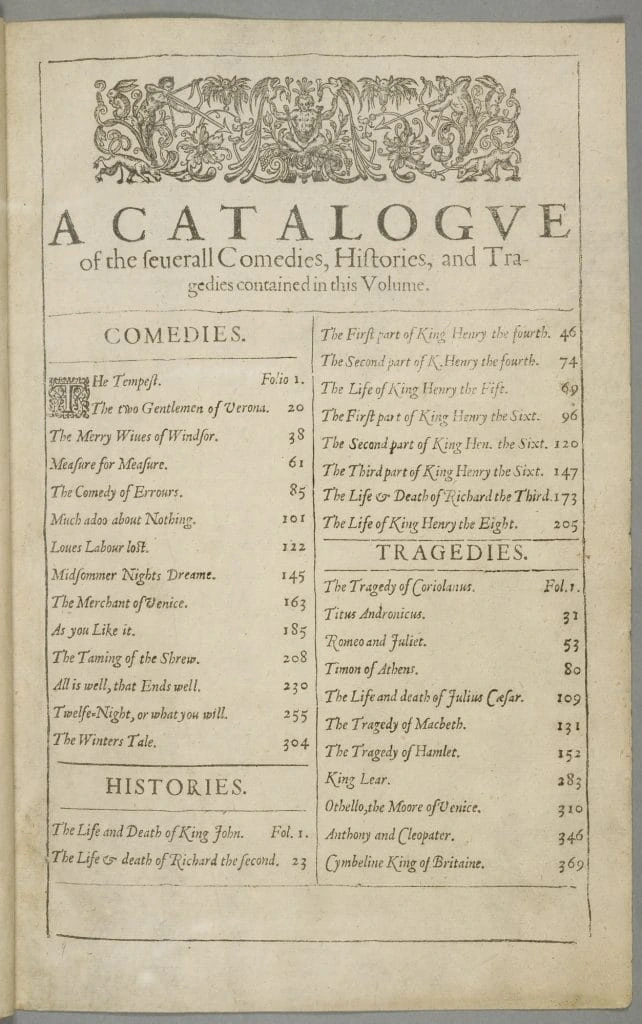
Every play Shakespeare wrote falls into one of three categories: tragedies, comedies, and histories. This matched the tastes of Elizabethan audiences, who wanted national pride, lighthearted entertainment, and stories about human nature all in one building.
Tragedies
Shakespeare's tragedies deal with fate, ambition, and the consequences of bad decisions. Plays like Hamlet, Othello, and Macbeth typically end in death or disaster, leaving audiences shaken. They explore what happens when a person's flaws or bad choices pull them toward destruction.
Comedies
The comedies are built on wit, misunderstandings, and romantic chases. They usually end with weddings and harmony, as in Much Ado About Nothing, The Comedy of Errors, and Twelfth Night. Disguise, wordplay, and chaotic situations are hallmarks of the genre.
Histories
Through his history plays, Shakespeare examines the lives of English kings and the political scheming of the past. These plays, including Henry V and Richard III, ask hard questions about leadership, power, and national identity.
Comedy
Mistaken identities, romantic chaos and happy endings. Wit and wordplay reign supreme.
Tragedy
Flawed heroes, fatal decisions and devastating consequences. No one escapes unscathed.
History
England's kings brought to life — power, war and the heavy burdens of the crown.
The Globe Theatre's Flag System
By long-repeated tradition, the Globe used coloured flags to advertise the day's show:
- Red: History plays
- White: Comedies
- Black: Tragedies
Because many Elizabethan audience members could not read, a visual signal was essential. A flag flying above the theatre roof was visible across the Thames and told passers-by at a glance what kind of play was on that afternoon.
Sources and Further Reading
Read the Plays
Test Your Knowledge
Think you know your Shakespeare? Put it to the test with one of our free quizzes.
See all quizzes →