The Shakespeare Authorship Question: Was He Real?
For over two centuries after his death, nobody publicly questioned whether William Shakespeare wrote his own plays. Serious doubt began appearing in print in the 1840s and then in lecture halls. It has not gone away since.
Why People Doubt
The doubters' argument is fundamentally a social one. A man from Stratford-upon-Avon, educated at a provincial grammar school, with no university training, no documented foreign travel, no record of contact with the aristocratic world depicted in the plays: could such a man have written them?
This argument assumes that literary genius requires the kind of access and education that Shakespeare demonstrably lacked. The counter-argument is direct: novelists and playwrights have never been required to personally inhabit the worlds they write about.
The Main Candidates
Three names dominate the authorship debate.
Francis Bacon was the favoured candidate through most of the 19th century, reaching peak popularity with Ignatius Donnelly's The Great Cryptogram in 1888, which claimed to find encoded messages hidden in the plays. Bacon was a philosopher and essayist of considerable reputation. No credible coded messages have been found.
Christopher Marlowe is the most dramatic candidate. Marlowe was a genuine rival to Shakespeare in the late 1580s and early 1590s and died in a house in Deptford on 30 May 1593, stabbed in a dispute over the bill, aged 29. The Marlovian theory holds that he faked his death and continued writing under Shakespeare's name. The problem is that Shakespeare's later plays contain material dated firmly after 1593.
Edward de Vere, 17th Earl of Oxford, has been the most popular alternative candidate since J. Thomas Looney published Shakespeare Identified in 1920. De Vere was an aristocrat, a poet, and a patron of the theatre. The Oxfordian theory faces a timing problem that its supporters have never satisfactorily resolved: de Vere died in June 1604, before The Winter's Tale and The Tempest were written.
What the Documentary Record Shows
The case for William Shakespeare of Stratford rests on contemporary documents, not inference.
Francis Meres published Palladis Tamia: Wits Treasury in 1598. He listed Shakespeare as "the most excellent" English writer in comedy and tragedy and named twelve specific plays. Meres knew Marlowe and Bacon as separate figures, and did not conflate either of them with Shakespeare.
Ben Jonson contributed two poems to the First Folio in 1623, seven years after Shakespeare's death. Jonson knew Shakespeare personally. He wrote that Shakespeare was "not of an age, but for all time" and referred to him as the "Sweet Swan of Avon," a direct geographical reference to Stratford-upon-Avon that doubters have spent considerable effort explaining away.
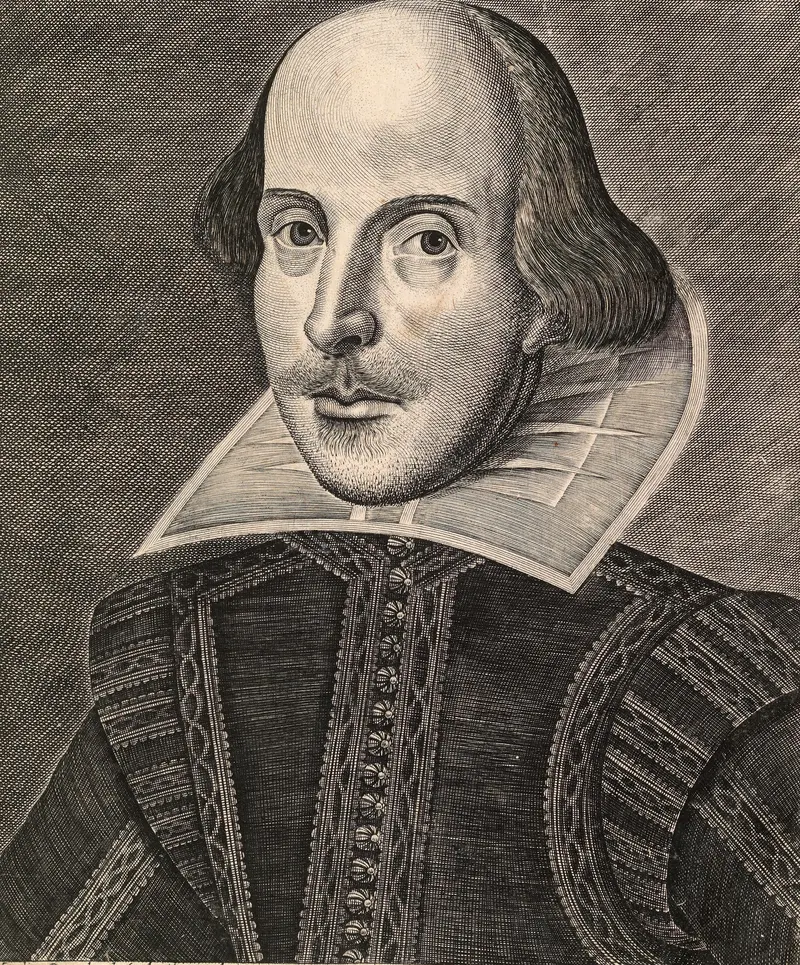
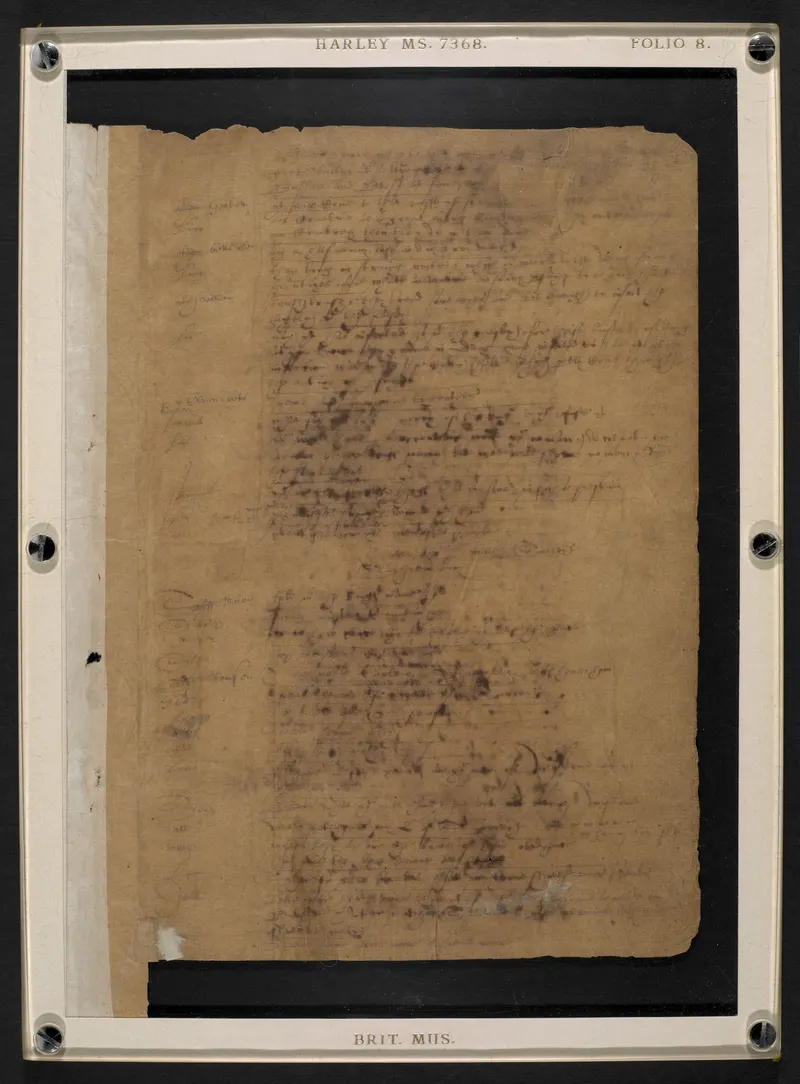
Legal records connect the man from Stratford to the acting company directly. Shakespeare is named in the royal patent granted to the King's Men in May 1603, which authorised the company by listing its members individually.
The Folger's Assessment
The Folger Shakespeare Library in Washington DC holds the world's largest collection of Shakespeare materials, including 82 of the surviving 235 copies of the First Folio. Its position, stated plainly in its public resources, is that the documentary evidence for the Stratford man is stronger than sceptics acknowledge. The 19th-century doubt was partly driven by the assumption that genius requires privilege, an assumption the evidence does not support.
Why the Debate Continues
The authorship question attracts interest for reasons separate from the historical evidence. It is a genuinely satisfying puzzle. It offers amateurs and enthusiasts a role that mainstream scholarship does not. And it reflects real discomfort with how little documentation survives of one of the most studied figures in literary history.
What the evidence does not support is a conspiracy or an alternative author. The documentary record is incomplete. But it consistently points to a glover's son from Stratford who wrote plays, acted in them, owned a share of the theatre that staged them, and died in 1616.
Sources
- Britannica on the authorship question
- Shakespeare Birthplace Trust on authorship
- Folger Shakespeare Library on the First Folio
- Britannica on the First Folio
- Wikipedia overview of the authorship question
More on Shakespeare's life: Who Was William Shakespeare? A Complete Life and Biography
Read the Plays
Test Your Knowledge
Think you know your Shakespeare? Put it to the test with one of our free quizzes.
See all quizzes →